Hari Gopinath Das

Natural Spiritual

Hare Krishna !! Welcome to This site where we will discuss about Life , Philosophy of Gaudiya Vaishnava Teachers.Our Aim is not to displease anyone whatever we present is as per our understanding of the philosophy.Hope You will bless this humble endeavor of ours.Hari Bol !!

Hari Gopinath Das is a disciple of Radhanath Swami and a follower of Srila Prabhupada. He is dedicated to sharing the wisdom of the Gaudiya Vaishnava tradition. He has authored “108 Gaudiya Vaishnava Books: Drops of Devotion,” which aims to make foundational texts accessible, and “The Manual of Life – Gita: Tips and Tricks to Understand Srimad Bhagavad Gita,” which presents the Gita as a practical guide for modern life. He also wrote “Gita for Gen Z: Gita for Teenagers.” He has a YouTube channel named “Dr Hari Gopinath Das Official” where he shares spiritual discourses.

  • https://amzn.in/d/biVLJDY

    Oplus_131072
    Oplus_131072

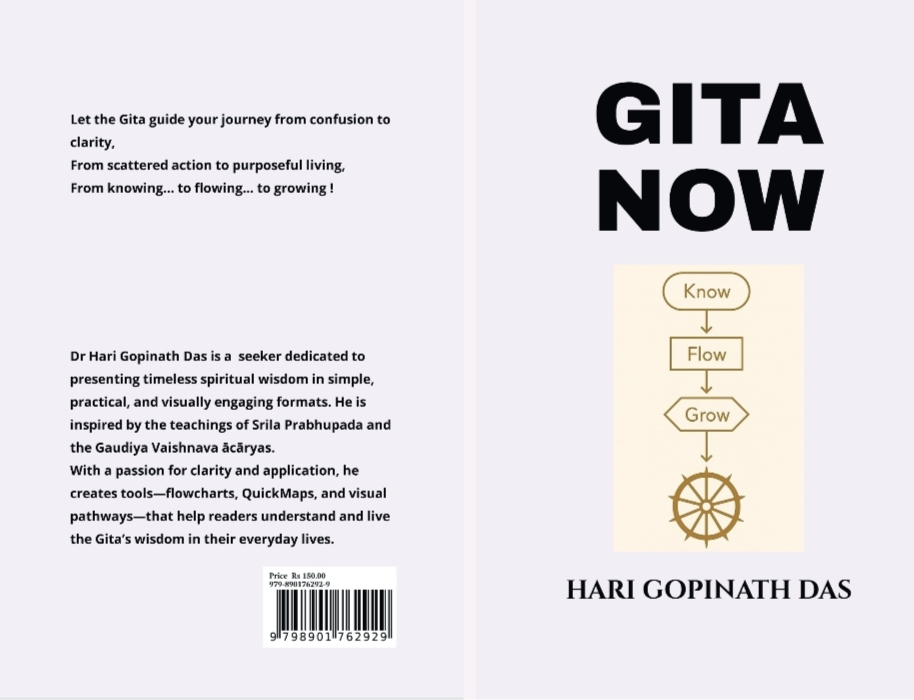
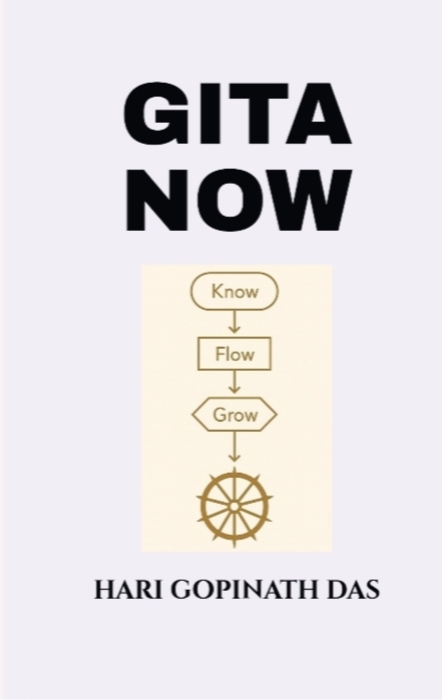
    “Gita Now” is a modern-interpretation of the timeless Bhagavad Gita, authored by Hari Gopinath Das. It aims to bring the wisdom of the Gita into the present — making the ancient verses accessible and relevant to contemporary readers. The book reportedly presents key teachings of the Gita in a clear, digestible format — often reimagined for modern life.

    Hari Gopinath Das is known for his efforts to make Gaudiya-Vaishnava teachings accessible to a broad audience. Through his writings and online presence, he has emphasized bridging traditional wisdom with modern sensibilities.

    Beginners or readers unfamiliar with traditional commentaries — for whom the Gita’s original style may feel dense.Young readers or modern seekers trying to reconcile spiritual wisdom with everyday life.Those who appreciate a practical, applied spirituality rather than purely academic or esoteric explorations.Devotees of the Gaudiya-Vaishnava tradition looking for contemporary re-readings of scriptural teachings.

  • The six major gopī-gītās (songs of the gopīs) in the Śrīmad Bhāgavatam (Canto 10). These are considered the heart of Vraja-bhakti theology, as they reveal the innermost moods of the vraja-gopīs towards Śrī Kṛṣṇa.


    The Six Gītās of the Gopīs in Śrīmad Bhāgavatam


    1. Venu-gītā (Song of the Flute)

    Reference: Bhāgavatam 10.21

    Context

    • Kṛṣṇa is tending cows with Balarāma and friends, playing His flute.
    • The gopīs, watching from afar, are overcome with ecstatic love.

    Theme

    • They describe how everything in Vṛndāvana responds to Kṛṣṇa’s flute—rivers stop flowing, deer stand still, birds become silent, even cows forget to chew grass.
    • They especially envy the flute, which directly touches Kṛṣṇa’s lips.

    Rasa

    • Pūrva-rāga (first awakening of love).
    • Expresses the early stage of divine longing, sweetly mixed with jealousy.

    Gauḍīya Teaching

    • Kṛṣṇa’s flute symbolizes His call to the jīva.
    • The soul, enchanted, abandons worldly duties and begins the path of rāgānugā-bhakti.

    2. Prāṇaya-gītā (Song of Affection)

    Reference: Bhāgavatam 10.29 (sometimes linked with 10.29.31–41)

    Context

    • Kṛṣṇa plays His flute at night, calling the gopīs to the rāsa-sthalī (Yamunā bank, Śarad Pūrṇimā).
    • The gopīs leave their homes and meet Him secretly.

    Theme

    • When Kṛṣṇa tests them, saying they should return home to husbands and families, they respond with words of prāṇaya (deep affectionate love).
    • They declare that serving Him is their only dharma.

    Rasa

    • Viśuddha-prāṇaya (pure affectionate intimacy).
    • Shows how the gopīs’ love transcends social dharma and shines as parā-bhakti.

    Gauḍīya Teaching

    • The gopīs’ insistence demonstrates that spiritual love surpasses varṇāśrama duties.
    • For Gauḍīyas, this is the foundation of rāgānugā-bhakti: Kṛṣṇa’s pleasure above all else.

    3. Gopī-gītā (Song of the Gopīs)

    Reference: Bhāgavatam 10.31

    Context

    • During rāsa-līlā, Kṛṣṇa disappears to remove the gopīs’ pride.
    • In separation, they gather together and sing in agony of love.

    Theme

    • They plead for His return, praising His beauty, smile, and touch.
    • Every verse drips with vipralambha-bhāva (love in separation).

    Rasa

    • Height of mādhurya-rasa in separation.
    • Ujjvala-rasa shines—intense longing, tears, burning of heart.

    Gauḍīya Teaching

    • Śrī Caitanya Mahāprabhu Himself relished Gopī-gītā in Gambhīrā.
    • It is a model for devotees: intense separation intensifies union.

    4. Yugala-gītā (Song of the Divine Couple)

    Reference: Bhāgavatam 10.35

    Context

    • The gopīs describe the wanderings of Kṛṣṇa and Balarāma through Vṛndāvana, accompanied by cowherd boys.

    Theme

    • They imagine the happiness of rivers, trees, and animals when touched by the sound of Kṛṣṇa’s flute.
    • The gopīs feel themselves deprived, while nature enjoys His presence.

    Rasa

    • Viraha-milana-bhāva (union in separation).
    • The gopīs console themselves by remembering Kṛṣṇa’s movements with vivid poetic imagery.

    Gauḍīya Teaching

    • This gītā reflects the stage where devotees transform pain of separation into remembrance.
    • Teaches that even separation sustains the flame of devotion.

    5. Viraha-gītā (Song of Separation)

    Reference: Bhāgavatam 10.39

    Context

    • Akrūra comes to take Kṛṣṇa and Balarāma to Mathurā.
    • The gopīs see the chariot leaving and are devastated.

    Theme

    • They express heart-wrenching grief, asking: “How will we live without seeing Your face?”
    • They accuse fate, and even Kṛṣṇa, for abandoning them.

    Rasa

    • Vipralambha at its peak.
    • Love becomes sharp like fire, consuming the heart.

    Gauḍīya Teaching

    • Separation (viraha) is not destruction but the highest intensification of prema.
    • The gopīs’ condition reveals that pure devotion tolerates no absence of Kṛṣṇa.

    6. Bhramara-gītā (Song to the Bumblebee)

    Reference: Bhāgavatam 10.47

    Context

    • After Kṛṣṇa goes to Mathurā, Uddhava comes to console the gopīs.
    • Śrīmatī Rādhārāṇī, in the height of mahābhāva, speaks to a bumblebee, mistaking it as Kṛṣṇa’s messenger.

    Theme

    • She speaks alternately with sarcasm, anger, love, despair, and surrender.
    • Criticizes Kṛṣṇa as unfaithful, yet cannot stop glorifying Him.

    Rasa

    • The climax of mādanākhya-mahābhāva (the highest ecstasy of Rādhā).
    • Shows divyonmāda (divine madness).

    Gauḍīya Teaching

    • This is considered the crest-jewel of bhakti-śāstra.
    • Reveals the inconceivable paradox of prema: even in complaint, the gopīs only glorify Kṛṣṇa.
    • Mahāprabhu Himself relished Bhramara-gītā in Puri.

    Conclusion

    • These six gītās together trace the full arc of divine love:
      • Venu-gītā → awakening of attraction.
      • Prāṇaya-gītā → firm declaration of love.
      • Gopī-gītā → agony in separation.
      • Yugala-gītā → remembrance in absence.
      • Viraha-gītā → lament of complete loss.
      • Bhramara-gītā → the zenith of Rādhā’s mahābhāva.
    • For Gauḍīya Vaiṣṇavas, these gītās are not poetry but windows into the eternal līlā, meant to be heard and sung with humility, gradually awakening one’s own longing for service to Rādhā-Kṛṣṇa.

  • We will be tracing the concept of bābājī-veṣa (renounced life in the bhajan tradition) and its distinction from sannyāsa, showing its historical evolution and how key ācāryas like Bhaktivinoda Ṭhākura, Bhaktisiddhānta Sarasvatī Ṭhākura, and Śrīla A. C. Bhaktivedānta Swāmī Prabhupāda viewed it.


    1. Early Tradition: Renunciation in Gauḍīya Vaiṣṇavism

    • In the early days of Gauḍīya Vaiṣṇavism (16th–17th centuries), the primary renunciate identity was the bābājī.
    • This form of renunciation was not identical to the daṇḍī-sannyāsa of Advaita traditions.
    • The bābājī was essentially a paramahaṁsa renunciate:
      • No daṇḍa (staff) or saffron cloth.
      • Instead, simple white cloth, kaupīna, tulasī-mālā, often a kaupīnī and a wrapper (bahirvāsa).
      • Lived in Vṛndāvana, Navadvīpa, Rādhā-kuṇḍa, or secluded holy places.
      • Fully devoted to nāma-bhajana, meditation on Rādhā-Kṛṣṇa’s līlā, and internal smaraṇa.
    • Unlike traditional sannyāsīs, bābājīs did not travel to preach widely but mostly lived in seclusion, engaging in kīrtana and smaraṇa.
    • Their goal was bhajana-anukūla-vṛtti (a lifestyle favorable for absorption in divine remembrance).

    2. How Bābājī-veṣa Differed from Sannyāsa

    AspectBābājī-veṣa (Gaudiya)Sannyāsa (Advaita/Vedantic or Daṇḍī)
    SymbolWhite cloth, kaupīna, tulasī-mālāSaffron cloth, daṇḍa (staff), kamaṇḍalu
    MoodParamahaṁsa-bhajana, rāgānugā-bhaktiVairāgya, renunciation of world for Brahman
    ActivityBhajana, kīrtana, līlā-smaraṇa, secluded lifePreaching, study of Vedānta, travel
    IdentityFocused on eternal siddha-deha meditationFocused on renounced social order
    Community roleLocalized bhajan influence, guru of sādhakasSocial preacher, traveling ascetic

    In essence:

    • Sannyāsa = social renunciation (structured, visible, hierarchical).
    • Bābājī-veṣa = inner renunciation (bhajana-centered, less institutional).

    3. Evolution over Time

    17th–18th centuries

    • Vrindavan and Navadvīpa became full of bābājīs absorbed in bhajana.
    • Some authentic, others degraded the tradition by using the dress of a bābājī while engaging in hypocrisy.
    • Sahajiyā” sects (imitative groups) also adopted white cloth, pretending to be renunciates while indulging in immoral practices, bringing the bābājī-veṣa into disrepute.

    19th century

    • The true bābājīs like Jagannātha Dāsa Bābājī, Mādhusūdana Dāsa Bābājī, and Gaura-kiśora Dāsa Bābājī embodied pure paramahaṁsa standards.
    • But simultaneously, many pseudo-bābājīs engaged in casteism, idleness, and illicit practices.

    4. Bhaktivinoda Ṭhākura (1838–1914)

    • He deeply respected genuine bābājīs like Gaura-kiśora Dāsa Bābājī.
    • But as a reformer, he criticized the corruption of the bābājī institution (idleness, imitation of gopīs, sahajiyā practices).
    • He did not take bābājī-veṣa himself—he remained a householder (bhaktipraṇālī-gṛhastha), yet was fully surrendered.
    • He envisioned bhakti in dynamic preaching rather than secluded bhajana for all.
    • For him, paramahaṁsa-bhakti was not limited to external dress but a matter of heart.

    5. Bhaktisiddhānta Sarasvatī Ṭhākura (1874–1937)

    • He radically reformed the renunciate tradition.
    • Rejected bābājī-veṣa as the main institution for renunciation, seeing it as too compromised by sahajiyā imitation.
    • Instead, he revived the daṇḍī-sannyāsa system, but gave it a Gauḍīya Vaiṣṇava meaning:
      • His sannyāsīs wore saffron.
      • Carried daṇḍa as symbol of dedication.
      • Were not secluded bhajanānandīs but active preachers of Śrī Caitanya’s message.
    • His emphasis:
      • Preaching = highest bhajan.
      • Paramahaṁsa renunciation should be expressed through dynamic service, not external seclusion.

    6. Śrīla A. C. Bhaktivedānta Swāmī Prabhupāda (1896–1977)

    • As disciple of Bhaktisiddhānta, he continued this sannyāsa-preaching model.
    • For him:
      • The bābājī model was unsuitable for the modern mission.
      • He respected great bābājīs (like Gaura-kiśora Dāsa Bābājī), but saw the path of active sannyāsa-preaching as the need of the age.
    • He gave sannyāsa to his disciples as a missionary vow, not as a secluded order.
    • He warned against premature imitation of rāgānugā-bhajana (which was associated with bābājī traditions).

    7. Theological and Historical Distinction

    • Bābājī-veṣa = traditional Gauḍīya form of renunciation; ideal for those absorbed in internal rāgānugā-bhajana, but historically corrupted.
    • Sannyāsa (as given by Bhaktisiddhānta) = a re-institutionalized, socially dynamic, reformist form of renunciation meant to preserve Gauḍīya Vaiṣṇavism’s dignity and expand its influence worldwide.

    Thus:

    • Bābājī = renunciate for personal bhajana.
    • Sannyāsī (modern Gauḍīya) = renunciate for preaching Caitanya’s mission.

    8. Concluding Insight

    The two paths are not contradictory in essence: both aim at exclusive dedication to Rādhā-Kṛṣṇa through Caitanya Mahāprabhu.
    But historically:

    • Bābājī expressed the inner current of rāgānugā-bhakti, often in seclusion.
    • Sannyāsa (in Gauḍīya Maṭha and ISKCON) became the outer current of preaching bhakti, guarding against corruption and expanding the mission.

    The harmonization is found in Śrīla Bhaktisiddhānta’s statement:

    “Preaching is the highest form of bhajan.”


  • This is a very central and deep subject in Gauḍīya Vaiṣṇava theology


    1. Foundation in Śrīmad Bhāgavatam

    The Bhāgavata Purāṇa (esp. Canto 10, chapters 29–33) is the primary pramāṇa (authority) for Kṛṣṇa’s rāsa-līlā and His confidential sports with the gopīs.

    a) The Venu-gītā (10.21)

    • The gopīs describe Kṛṣṇa’s flute playing as the call of divine love.
    • His flute draws the cows, rivers, trees, birds, and especially the gopīs into ecstasy.
    • This chapter prepares the scene: the gopīs’ hearts are already stolen by Kṛṣṇa’s beauty and sound.

    b) The Gopī-gītā (10.31)

    • When Kṛṣṇa disappears from the rāsa dance, the gopīs sing this song in deep separation (vipralambha-bhāva).
    • This chapter shows their parama-prema-bhakti (supreme selfless love), longing for union not for personal enjoyment but for His pleasure.

    c) The Rāsa-līlā (10.29–33)

    • On a full moon night of Śarad Pūrṇimā, Kṛṣṇa plays His flute.
    • The gopīs abandon everything—husbands, duties, family ties—and run to Him.
    • Kṛṣṇa tests them with words of dharma, saying they should return home, but the gopīs insist that their only dharma is to serve Him.
    • The rāsa dance begins, with Kṛṣṇa expanding Himself between each gopī.
    • When pride arises, He disappears, intensifying their love through separation (vipralambha).
    • Their search for Kṛṣṇa and their lamenting in Gopī-gītā heightens the rasa.
    • Finally, Kṛṣṇa reappears, pacifies them, and performs rāsa-līlā again.

    Key point: Bhāgavatam (10.33.39–40) concludes that these līlās are transcendental, not mundane; hearing and reciting them purifies the heart from lust.


    2. Teachings and Theology in Gauḍīya Vaiṣṇava Tradition

    Śrī Caitanya Mahāprabhu considered the rāsa-līlā as the crown jewel of divine pastimes. His followers, the Six Gosvāmīs, gave philosophical and devotional commentaries.

    a) Rūpa Gosvāmī (Ujjvala-nīlamaṇi, Vidagdha-mādhava, Lalita-mādhava)

    • Classified mādhurya-rasa (conjugal love) as the highest of all rasas.
    • Described the varieties of gopīs:
      • Nitya-siddha gopīs (eternal associates like Śrī Rādhā, Lalitā, Viśākhā).
      • Sādhana-siddha gopīs (elevated souls attaining perfection).
    • Elaborated on the moods: pūrva-rāga (first attraction), māna (loving quarrel), praṇaya (intimacy), rāga-anurāga (intense attachment), and mahābhāva (supreme ecstasy embodied by Rādhā).

    b) Jīva Gosvāmī (Gopāla-campū, Bhagavat-sandarbha)

    • Defended rāsa-līlā against accusations of immorality, establishing it as transcendental.
    • Explained that the gopīs represent jīva-svarūpa-śakti (the soul’s original loving energy).
    • Kṛṣṇa’s flute-call symbolizes God calling souls away from worldly duties toward divine service.

    c) Raghunātha Dāsa Gosvāmī (Vilāpa-kusumāñjali)

    • Offered intimate meditations on Śrīmatī Rādhārāṇī’s service.
    • Emphasized manjarī-bhāva: the mood of younger gopīs serving Rādhā-Kṛṣṇa without personal desire for union, but delighting in Rādhā’s happiness.

    d) Viśvanātha Cakravartī Ṭhākura (Sārārtha-darśinī, Rāsa-pañcādhyāyī commentary)

    • Provided deep insights into the psychological states of the gopīs.
    • Showed how separation (viraha) heightens union, creating the supreme rasa.
    • Explained that rāsa-līlā represents the eternal divine play of God with His hlādinī-śakti (pleasure potency).

    e) Bhaktivinoda Ṭhākura & Bhaktisiddhānta Sarasvatī Ṭhākura

    • Reiterated that these pastimes should not be approached cheaply or with mundane lust.
    • Taught that one must progress through nāma-bhajana, śuddha-bhakti, and anartha-nivṛtti before deeply relishing rāsa-līlā meditations.

    3. Important Gopī-centered Līlās Beyond Rāsa-līlā

    a) Rādhā-Kṛṣṇa’s First Meeting (through Yogamāyā’s arrangement)

    • Described in Gopāla-campū and Gosvāmī dramas.
    • Their glance ignites eternal prema, which grows through secret meetings.

    b) Kṛṣṇa stealing gopīs’ clothes (Vastrāharaṇa-līlā, Bhāg. 10.22)

    • Gopīs pray to Kātyāyanī-devī to obtain Kṛṣṇa as husband.
    • Kṛṣṇa steals their garments while they bathe, testing their surrender.
    • Lesson: one must give up false coverings (ego, pride) to attain divine love.

    c) Gopī’s worship of Govardhana (Annakūṭa-līlā, Bhāg. 10.24–25)

    • Gopīs join in worship of Govardhana hill, seeing it as Kṛṣṇa Himself.
    • Expresses their spontaneous devotion (ragānugā-bhakti).

    d) Separation Pastimes (Viraha-līlā)

    • Uddhava’s visit to Vṛndāvana (Bhāg. 10.46) where he witnesses gopīs’ exalted bhakti in separation.
    • Bhramara-gītā (10.47): Rādhā speaks to a bumblebee, expressing her anguish and love for Kṛṣṇa.

    4. The Role of Śrī Rādhā

    • In Bhāgavatam, Rādhā’s name is hidden (out of sanctity), but Gauḍīya texts glorify Her as the personification of mahābhāva.
    • She is the hlādinī-śakti (pleasure potency) of Kṛṣṇa.
    • Caitanya Mahāprabhu Himself is understood as Rādhā-Kṛṣṇa combined—Kṛṣṇa experiencing the mood and love of Rādhā.

    5. Teachings for Practitioners

    • Rāsa-līlā is not erotic but the highest allegory of soul’s love for God.
    • The gopīs are models of selfless devotion, giving up everything for Kṛṣṇa’s pleasure.
    • Separation (vipralambha) is as important as union (sambhoga), teaching that yearning and longing purify the heart.
    • Hearing and remembering these līlās under guidance (śravaṇa, kīrtana, smaraṇa) grants liberation and awakens prema-bhakti.

    Summary:
    The Bhāgavatam provides the seed of gopī-līlās, especially rāsa-līlā, which Gauḍīya ācāryas nurtured into a vast theology of divine love. The gopīs’ love is pure, unconditional, and transcends all worldly bonds. For Gauḍīya Vaiṣṇavas, these līlās are the highest revelation of God’s intimate nature, meant to be approached with humility, purity, and devotion.


  • Flow of Emotion Across Līlā

    the stages of gopīs’ love with references from both the Bhāgavata and Gauḍīya literature:

    Unique Qualities of Gopīs’ Emotions

    1. Exclusivity – They want nothing but Krishna, not even liberation.
    2. Selflessness – They suffer gladly if Krishna is happy.
    3. Intensity – Their love burns even stronger in separation (vipralambha).
    4. Sweet Contradictions – Anger mixed with love, pain mixed with bliss.
    5. Highest Ideal – Gauḍīyas say: Gopī-bhāva is the supreme goal of bhakti.
    • Sneha → Māna → Praṇaya → Rāga → Anurāga → Mahābhāva
    • Each stage deepens their emotions, with Śrī Rādhā alone reaching the full experience of Mahābhāva.
    1. Sweet attraction (Sneha) – flute awakens prema.
    2. Loving anger (Māna) – Krishna tests love by disappearing.
    3. Bold intimacy (Praṇaya) – gopīs openly address Him in Gopī Geet.
    4. Exclusive attachment (Rāga) – Uddhava hears their declaration of single-minded love.
    5. Ever-fresh longing (Anurāga) – their love grows with Krishna’s absence.
    6. Supreme ecstasy (Mahābhāva) – Rādhā reaches the absolute peak of devotion.

    Śrī Rādhā’s Emotions

    • Rādhārāṇī embodies mahābhāva.
    • In separation, She experiences divyonmāda (divine madness).
    • Her longing and tears nourish all other gopīs’ devotion.
    • Caitanya Mahāprabhu (in Gauḍīya theology) came to taste Rādhā’s emotions for Krishna.

    In the Bhāgavata, gopīs’ emotions unfold as stories: flute songs, rāsa-līlā, viraha, gopī gītā.

    In Gauḍīya literature, these emotions are analyzed into rasas, bhāvas, and stages of prema.

    Together, they reveal the gopīs’ love as the highest standard of bhakti, the model for all devotees.

  • Among the six Goswamis of Vrindavan, Srila Sanatana Goswami holds a paramount position as a direct associate and principal disciple of Sri Chaitanya Mahaprabhu. His life exemplifies profound devotion, renunciation, and scholarly dedication, laying much of the philosophical and practical groundwork for the Gaudiya Vaishnava tradition.

    Early Life and Royal Service

    Born in 1488 CE as Amara Deva, Sanatana was the eldest son of Kumaradeva and was originally from Karnataka, South India. Along with his younger brothers, Rupa and Anupama (Vallabha), he settled in Ramakeli, Bengal. Due to their exceptional intelligence and administrative skills, all three brothers were compelled to serve in the court of the Muslim ruler, Sultan Alauddin Hussein Shah. Sanatana, known as Dabir Khas (private secretary), and Rupa, known as Sakara Mallik (finance minister), held high governmental positions. Despite their material opulence and political influence, their hearts yearned for spiritual truth, a yearning that intensified with the arrival of Sri Chaitanya Mahaprabhu in Bengal.

    The Call of Mahaprabhu and Renunciation

    The lives of Sanatana and Rupa were transformed upon their first meeting with Sri Chaitanya Mahaprabhu in Ramakeli. Mahaprabhu, recognizing their inherent spiritual inclination and future role in His mission, affectionately addressed them and hinted at their imminent liberation from material entanglement. This encounter ignited an unshakeable resolve in the brothers to renounce their worldly positions and fully dedicate themselves to Mahaprabhu’s service.Sanatana, despite the Sultan’s attempts to detain him, skillfully extricated himself from his royal duties. He feigned illness, and when the Sultan came to visit, Sanatana expressed his inability to continue his service due to his spiritual pursuits. Eventually, he managed to escape from his imprisonment and, after a perilous journey, finally met Sri Chaitanya Mahaprabhu in Varanasi.

    Instruction by Sri Chaitanya Mahaprabhu

    The meeting between Mahaprabhu and Sanatana in Varanasi is a cornerstone of Gaudiya Vaishnava philosophy. For two months, Mahaprabhu personally instructed Sanatana Goswami, revealing profound truths about the living entity’s constitutional position, the nature of devotional service, and the science of Krishna consciousness. This extensive instruction, meticulously recorded in the Sri Chaitanya Charitamrita, forms the basis of Sanatana Goswami’s seminal work, the Sri Brhad-bhagavatamrita.

    Mahaprabhu specifically tasked Sanatana with three crucial responsibilities:

    To ascertain the lost places of Krishna’s pastimes in Vrindavan.

    To establish the proper worship of the Deity of Krishna.

    To compile Vaishnava scriptures.

    Life in Vrindavan:

    Austerity, Scholarship, and Discovery following Mahaprabhu’s instructions, Sanatana Goswami made his way to Vrindavan, where he lived a life of extreme austerity. He wore only a simple loincloth, ate minimal food (often begged), and slept under trees, embodying the true spirit of renunciation. He dedicated himself wholeheartedly to fulfilling the tasks entrusted to him by Mahaprabhu.He meticulously explored the forests of Vrindavan, often guided by divine inspiration, and successfully rediscovered many of the sacred sites where Krishna had performed His transcendental pastimes. His tireless efforts, along with those of Rupa Goswami and others, led to the revelation of numerous holy places, transforming Vrindavan from a forgotten forest into the vibrant spiritual heartland it is today.Beyond his groundbreaking discoveries, Sanatana Goswami was a prolific author and profound scholar.

    His major literary contributions include:

    Sri Brhad-bhagavatamrita: A foundational text that elaborates on the hierarchy of devotion, the nature of bhakti, and the transcendental qualities of Krishna and His devotees. It explores the journey of a soul from a lower platform of devotion to the highest realms of pure love for God.

    Hari-bhakti-vilasa: A comprehensive smrti text (code of conduct) that details the rituals, etiquette, and practices of Gaudiya Vaishnava devotion. It serves as a practical guide for devotees, covering everything from daily routines to elaborate festivals.

    Laghu-bhagavatamrita: A concise summary of the Brhad-bhagavatamrita, focusing on the supremacy of Krishna as the Supreme Personality of Godhead.

    Dasama-tippani (Commentary on the 10th Canto of Srimad-Bhagavatam): This work showcases his deep understanding of the Bhagavata Purana, particularly the intricate and esoteric pastimes of Krishna.

    Enduring Legacy Srila Sanatana Goswami passed away in 1558 CE, leaving behind an unparalleled legacy. He, along with the other Goswamis, systemized the teachings of Sri Chaitanya Mahaprabhu, translating the sublime emotions and philosophical insights of Mahaprabhu into accessible scriptures. His works continue to be studied and revered by Gaudiya Vaishnavas worldwide, providing a profound understanding of devotional service and a practical guide for spiritual life.His life stands as a testament to the transformative power of divine grace and the profound impact one individual, dedicated to truth and devotion, can have on the spiritual landscape of the world. Srila Sanatana Goswami remains an eternal inspiration, guiding countless souls on the path of pure love for Radha and Krishna.

    Jaya Srila Sanatana Goswami!!
  • Srila Gopala Bhatta Goswami is one of the illustrious Six Goswamis of Vrindavan, who were instrumental in systematizing and propagating the teachings of Sri Chaitanya Mahaprabhu. Revered as a saint, theologian, and mystic, Gopala Bhatta Goswami played a foundational role in the philosophical, ritualistic, and cultural development of Gaudiya Vaishnavism. His life was marked by deep scholarship, intense devotion, miraculous spiritual experiences, and tireless service to the Vaishnava community.

    Birth and Early Life Gopala Bhatta Goswami was born around 1503 CE in the holy city of Sri Rangam, Tamil Nadu, into a pious family of the Sri Sampradaya, the Ramanuja tradition of Vaishnavism. His father, Vyenkatta Bhatta, was a respected priest and scholar in the temple of Sri Ranganatha Swami. His uncles, Tirumalla Bhatta and Prabodhananda Sarasvati, were also devout Vaishnavas and erudite theologians.From an early age, Gopala Bhatta displayed signs of spiritual genius and was nurtured in an atmosphere saturated with Vedic learning, temple rituals, and devotion to Lord Narayana.

    Transformative Encounter with Sri Chaitanya Mahaprabhu In 1511 CE, Sri Chaitanya Mahaprabhu undertook His South Indian pilgrimage and stayed at the home of Vyenkatta Bhatta in Sri Rangam for the four months of Chaturmasya. During His stay, Mahaprabhu lovingly engaged young Gopala in devotional service, capturing his heart with His divine aura and philosophical discourses.Chaitanya Mahaprabhu engaged in deep discussions with Vyenkatta Bhatta about the supremacy of Krishna over Narayana, gently pointing toward the sweet and personal aspects of Radha-Krishna worship. Gopala, though young, absorbed every word. The Lord predicted that the boy would become a great acharya in His line and instructed him to later go to Vrindavan to join the mission of Rupa and Sanatana Goswamis.

    Renunciation and Journey to Vrindavan After the departure of his parents, Gopala Bhatta renounced worldly life and embarked on a pilgrimage to the North. Upon reaching Vrindavan, he was warmly welcomed by Srila Rupa Goswami and Srila Sanatana Goswami, with whom he shared a deep bond of brotherhood and spiritual mission.He accepted full initiation and dedicated his life to intense scriptural study, bhajan (devotional practice), and preaching. Under their guidance, he became an authority in Vaishnava theology and temple worship.

    Scriptural Contributions Though less prolific in authorship than Rupa or Jiva Goswami, Srila Gopala Bhatta made one of the most significant literary contributions to Gaudiya Vaishnavism:Hari-Bhakti-Vilasa This encyclopedic manual on Vaishnava rituals, conduct, festivals, and etiquette was compiled primarily by Gopala Bhatta and edited and expanded by Sanatana Goswami. The Hari-Bhakti-Vilasa became the core reference text for daily devotional life, samskaras (purificatory rites), deity worship procedures, and festival observances within the Gaudiya tradition.Additionally, Gopala Bhatta is believed to have compiled commentaries on sacred scriptures like the Bhagavata Purana and inspired future works that systematized Gaudiya theology.

    Manifestation of Sri Radha-Ramana Deity One of the most extraordinary events in the life of Srila Gopala Bhatta Goswami was the miraculous manifestation of the deity of Sri Radha-Ramana.As a strict renunciate, Gopala Bhatta used to worship twelve sacred Saligrama shilas (non-anthropomorphic forms of Vishnu). Desiring to serve the Lord in a more personal form like other Goswamis, he prayed earnestly for a deity of Krishna.On the day after Nrsimha Chaturdashi, one of his Saligrama shilas transformed into the most exquisitely beautiful form of Krishna, known as Sri Radha-Ramana. This self-manifested deity is considered non-different from both Radha and Krishna, though Radha is not separately present in the murti. The temple of Sri Radha-Ramana, established by Srila Gopala Bhatta in Vrindavan, continues to be a center of unbroken seva (service) and devotion to this day.

    Daily Life and Worship Srila Gopala Bhatta Goswami lived a life of exemplary devotion, simplicity, and discipline. Residing mainly near Radha-kunda and later at the Radha-Ramana Mandir, he engaged in:Deep scriptural study Regular deity worship Chanting of the holy names Association with saintly devotees Guidance to disciples and visiting pilgrims He inspired countless devotees and left a powerful legacy of ideal sadhana (spiritual practice).

    Spiritual Lineage and Disciples Among his prominent disciples was Srila Srinivasa Acharya, who, along with Narottama Dasa Thakur and Syamananda Pandit, helped carry the writings of the Goswamis to Bengal and Odisha, thus spreading Gaudiya literature far and wide.Through his writings, his deity, and his disciples, Srila Gopala Bhatta became a living pillar of the Gaudiya Sampradaya.Departure and Samadhi Srila Gopala Bhatta Goswami departed from this world on the fifth day of the dark fortnight (Krishna Paksha) in the month of Ashadha, shortly after the disappearance of Sri Chaitanya Mahaprabhu.His sacred samadhi (tomb) is located within the precincts of the Radha-Ramana temple in Vrindavan, where devotees from all over the world come to pay homage.

    Legacy Srila Gopala Bhatta Goswami’s life was a divine blend of scholarship, renunciation, devotion, and mysticism. As one of the foundational architects of Gaudiya Vaishnavism, his contributions continue to illuminate the path of bhakti for generations.His worship of Sri Radha-Ramana and his seminal text Hari-Bhakti-Vilasa remain eternal gifts to the Vaishnava world, embodying the ideals of both inner devotion and external purity

    In the heart of Vrindavan, where Radha and Krishna eternally play, Srila Gopala Bhatta Goswami’s name is sung with love, his bhakti ever-fresh in the hearts of the faithful.

  • In the celestial tapestry of Sri Chaitanya Mahaprabhu’s divine pastimes, Sri Srivasa Pandit shines as an effulgent gem, embodying the essence of pure devotion and serving as the foundational pillar of the sankirtana movement. He is revered as one of the Pancha-tattva – the five primary manifestations of the Absolute Truth in the Gaudiya Vaishnava tradition, representing the pure devotee of the Lord.

    Origins and Family Life:Srivasa Pandit hailed from Srihatta (modern-day Sylhet, Bangladesh) and later, along with his family, moved to Navadvipa, West Bengal, which would become the sacred stage for Lord Chaitanya’s most intimate pastimes. He was born approximately thirty years before the appearance of Lord Chaitanya. His father was a Vedic Brahmin named Sri Jaladhar Pandit, and Srivasa was the second of five glorious sons: Nalina, Srivasa, Srinidhi, Sripati, and Sriram. All four of his younger brothers were deeply devoted to Lord Krishna and actively participated in Mahaprabhu’s lilas. His wife, Srimati Malini Devi, was also a deeply devoted soul, affectionately known as Ambika in Krishna-lila, the nurse who fed baby Krishna. Malini Devi and Srivasa Pandit shared a very close friendship with Jagannath Misra and Saci Devi, Mahaprabhu’s parents, and Malini Devi often assisted Saci Devi in raising young Nimai.

    Srivasa Angan: The Epicenter of Sankirtana:Srivasa Pandit’s palatial home in Navadvipa, known as Srivasa Angan (Srivasa’s Courtyard), became the clandestine heart of the burgeoning sankirtana movement. It was a sacred sanctuary where Lord Chaitanya Mahaprabhu and His most intimate associates, including Nityananda Prabhu and Advaita Acharya, would gather every night to perform ecstatic congregational chanting and dancing, often for hours on end, sometimes continuously for over twenty-one hours, or even entire nights. These gatherings were infused with the transcendental mellows of Goloka Vrindavana, where the participants experienced unprecedented levels of divine love. Vrindavan Das Thakur, the author of Chaitanya Bhagavata, described these kirtans as non-different from Krishna’s rasa-lila.Due to the prevailing anti-Hindu sentiment and persecution by the Muslim Kazi (magistrate), these kirtans had to be performed in secret, with the doors of Srivasa Angan tightly shut. This intense, private manifestation of divine ecstasy eventually spilled over, transforming Navadvipa and later the entire world. It was at Srivasa Angan that the infamous incident of the Kazi breaking the mridanga (drum) occurred in a futile attempt to stop the chanting. From then on, Srivasa Angan also became known as Khol Bhanga Danga (“the place where the mridanga was broken”).

    Unwavering Devotion in the Face of Adversity:Srivasa Pandit’s devotion was characterized by its unwavering nature and absolute surrender to the Lord, even amidst personal tragedy. The most profound example of this was the passing of his young son during a nocturnal sankirtana at Srivasa Angan. While Mahaprabhu and the devotees were absorbed in ecstatic chanting, Srivasa’s son passed away in another room. Hearing the lamentations of the women, Srivasa Pandit, without a moment’s hesitation, entered the inner chambers. Instead of succumbing to grief, he comforted his family by explaining the eternal nature of the soul and the unparalleled fortune of their son to leave his body while the Supreme Lord Himself was dancing in their home. He then quickly silenced their cries, even threatening to drown himself in the Ganges if they disturbed the Lord’s ecstasy. He returned to the kirtan as if nothing had happened, prioritizing Mahaprabhu’s divine bliss above his immense personal sorrow.When Mahaprabhu later sensed that something was amiss and inquired, the devotees revealed the tragedy. Lord Chaitanya was deeply moved by Srivasa Pandit’s unparalleled faith and detachment. He went to the deceased child, who, by the Lord’s mercy, momentarily spoke, confirming his eternal servitorship to Krishna and explaining his transmigration according to divine will. Overwhelmed by Srivasa’s sacrifice, Mahaprabhu declared, “From this day on, Nityananda and I will be your sons. We will never leave you,” a profound testament to His eternal bond with Srivasa.

    Relationship with Chaitanya Mahaprabhu and Other Associates:Lord Chaitanya held Srivasa Pandit in the highest regard and demonstrated immense affection for him. Srivasa was considered the “head of the devotees” and a leader in devotion, free from any ego. He nurtured a deep, parental affection for young Nimai.Srivasa Pandit also played a significant role in the deliverance of the notorious brothers, Jagai and Madhai, who had committed severe offenses against Nityananda Prabhu. He was a close confidante of Nityananda Prabhu, and his wife, Malini Devi, treated Nityananda as her own son.Later Life and Spiritual Identity:After Lord Chaitanya accepted sannyasa and departed for Jagannath Puri, the pain of separation became unbearable for Srivasa Pandit and his family. They eventually moved to Halisahar, on the other side of the Ganges, to alleviate their sorrow.In Gaudiya Vaishnava theology, Srivasa Pandit is identified as an incarnation of Narada Muni, the celestial sage and prime devotional preacher who constantly travels the universe chanting the glories of the Lord. His younger brother, Sriram Pandit, is identified as Parvata Muni, Narada’s intimate friend. This spiritual identity underscores Srivasa Pandit’s role as a purveyor of bhakti, spreading the divine message through ecstatic chanting and unwavering dedication.Srivasa Pandit’s life epitomizes pure, selfless devotion. His home became the birthplace of the congregational chanting movement, and his personal example of unwavering faith, detachment, and love for the Lord continues to inspire countless devotees in the Gaudiya Vaishnava tradition to this day.

  • Vakresvara Pandit was a prominent and highly esteemed associate of Sri Chaitanya Mahaprabhu, renowned for his exceptional abilities in singing and dancing, and his profound, unwavering devotion. He is celebrated as one of the closest and dearest servants of the Lord, playing a crucial role in the development and propagation of the sankirtana movement.

    Early Life and Association with Mahaprabhu in Navadvipa:Born in the village of Guptipara, near Triveni, Vakresvara Pandit displayed extraordinary spiritual inclinations from a young age. He was a natural dancer and singer, whose performances were not merely artistic displays but outpourings of deep spiritual ecstasy.His life truly blossomed with the advent of Sri Chaitanya Mahaprabhu in Navadvipa. From the very beginning of Mahaprabhu’s public sankirtana pastimes, Vakresvara Pandit became an indispensable member of the chanting parties. His powerful singing and ecstatic dancing would electrify the atmosphere, drawing everyone into the divine rapture of the Holy Name. He was a central figure in the dramatic performances organized at the house of Srivasa Pandit, where he would often dance for extended periods, sometimes for an astounding seventy-two continuous hours, completely absorbed in the mood of divine love. It is said that Mahaprabhu Himself would sometimes sing while Vakresvara Pandit danced, a testament to their deep spiritual connection. Lord Chaitanya once remarked to him, “You are one of my wings. If I had another (like you) I could fly in the sky,” highlighting Vakresvara’s pivotal role in enabling Mahaprabhu’s ecstatic expressions.

    Accompanying Mahaprabhu to Jagannath Puri:When Sri Chaitanya Mahaprabhu accepted sannyasa and moved to Jagannath Puri, Vakresvara Pandit was among the intimate associates who accompanied Him. He continued to reside with the Lord in Puri, serving Him with unwavering dedication. During the annual Ratha-yatra festival, Vakresvara Pandit was a chief dancer in one of the kirtan parties, his movements imbued with spiritual bliss, leading the devotees in ecstatic chanting and dancing before the chariots of Lord Jagannath.

    Special Mercy and Deliverance of Devananda Pandit:A notable incident highlighting Vakresvara Pandit’s profound spiritual power and mercy is the deliverance of Devananda Pandit. Devananda, a renowned scholar of the Srimad-Bhagavatam, had unfortunately committed an offense (Vaishnava-aparadha) against Srivasa Pandit, one of Mahaprabhu’s most senior and beloved devotees. Devananda’s disciples had disrespected Srivasa Pandit, and Devananda, despite his scholarship, did not intervene. Consequently, Mahaprabhu was displeased with Devananda.However, by the mercy and influence of Vakresvara Pandit, Devananda was able to atone for his offense. Devananda served Vakresvara Pandit, and through this service, Vakresvara became pleased with him and blessed him with the words, “Krishna-bhaktir hauk” – “May you attain devotion to Sri Lord Krishna.” From that day, devotion awakened in Devananda’s heart, and he eventually became a follower of Mahaprabhu. Mahaprabhu Himself confirmed this, stating, “You have served Vakresvara, therefore I have come to know you. Vakresvara Pandit is the Lord’s complete energy, and whoever pays homage to him attains Krishna. Krishna has made His home in Vakresvara’s heart. Krishna dances in order to make Vakresvara dance.”This incident underscores the immense power of a pure devotee like Vakresvara Pandit.

    Spiritual Identity and Legacy:In Gaudiya Vaishnava tradition, Vakresvara Pandit is considered an incarnation of Aniruddha, one of the quadruple expansions of Vishnu (Catur-vyuha). Some also identify him with Tungavidya-sakhi, an expert singer and dancer among Srimati Radharani’s principal sakhis. This dual understanding emphasizes his profound connection to both Krishna and His internal pleasure potency.

    Vakresvara Pandit established the worship of Sri Sri Radha-Kanta Deities in Kashi Misra’s house in Jagannath Puri, which was also the residence of Sri Chaitanya Mahaprabhu (Gambhira). These Deities are still worshipped there to this day. He initiated many disciples, most notably Gopala Guru Goswami, who continued his lineage and teachings in Orissa.Vakresvara Pandit’s life in Chaitanya Lila serves as an inspiring example of pure, unalloyed devotion, expressed through the ecstasy of sankirtana. His ecstatic dancing, profound connection with Mahaprabhu, and the transformative power of his mercy continue to be glorified in Gaudiya Vaishnava literature and tradition.